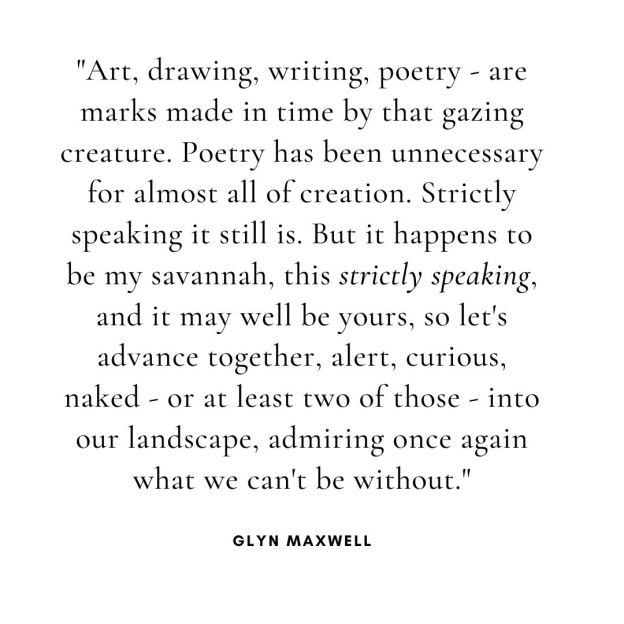
One depiction of this year’s zeitgeist in years to come will be a newsreel of zoom and teams meetings. The newsreel will begin with bumbling communications, a flurry of text messages and emails prior to and for several minutes post the designated start time to mitigate updated links and forgotten appointments. They will feature funny backgrounds, pets, and pyjamas. Perhaps also featuring will be a teenage son in a towel walking by in the background with a coffee – brought to his mother’s attention by the gasps and laughter of her colleagues. No matter the organisation; a public library, a sports club, a family birthday or Friday night drinks with a friendship group, digital meetings the world over are using the same technologies under the context of a universal experience. We’ve all experienced meetings that leave us with feelings of disconnect but today wasn’t like that for me. Today my colleagues and I were asked to bring our favourite book. A direct invitation to talk books! With my fellow library professionals! Quite the range were in the offerings; books returned to often when wanting a sure thing to get lost in, books that were overwhelmingly nostalgic (that were anything but PC and so drew a laugh), or a signed copy by a favourite author that was found in a secondhand bookstore or had been bought at a writer’s event. Another category that featured was the book that had captured one’s attention in High School. Probably the first book that had an applied reading, where not only the plot was read but where the context in which it was written and the literary mechanics at play were also investigated and appreciated. I have books in all these categories of course but the one I choose to introduce as my favourite today was a non-fiction book, On Poetry (2012) by Glyn Maxwell, published by Oberon Books Ltd. I thought I might share it here too. During my first year of an undergraduate writing degree a teacher, a poet herself, mentioned this ‘small white book’ almost in passing. The mention of it piqued my interest so after the class I immediately sought it out and bought myself a copy. It talks a lot about white space, which is important in poetry, but also in prose. Along with Elizabeth Gilbert’s Ted Talk Your elusive creative genius or a sunny morning on my porch, Maxwell’s On Poetry is an utterly charming go-to when I want to reconnect with my creative self, after any kind of break. Maxwell begins by making poetry accessible. He depicts an image of a savannah 200,000 years ago when homo-sapiens had no language and posits that the scene is the consistent favourite, then and now, over all others, (according to evolutionary psychologists), because we find beauty in what makes life possible and have since the beginning of time. And while we currently might be spending significant periods of time locked up away from our personal versions of a savannah, at least we have our books to remind us of them.
 Michelle Sadler